

Navigating Homebuyer's Remorse in the Post-Pandemic Era: Essential Strategies

David Dixon • April 30, 2024

Navigating Homebuyer's Remorse in the Post-Pandemic Era:

Essential Strategies

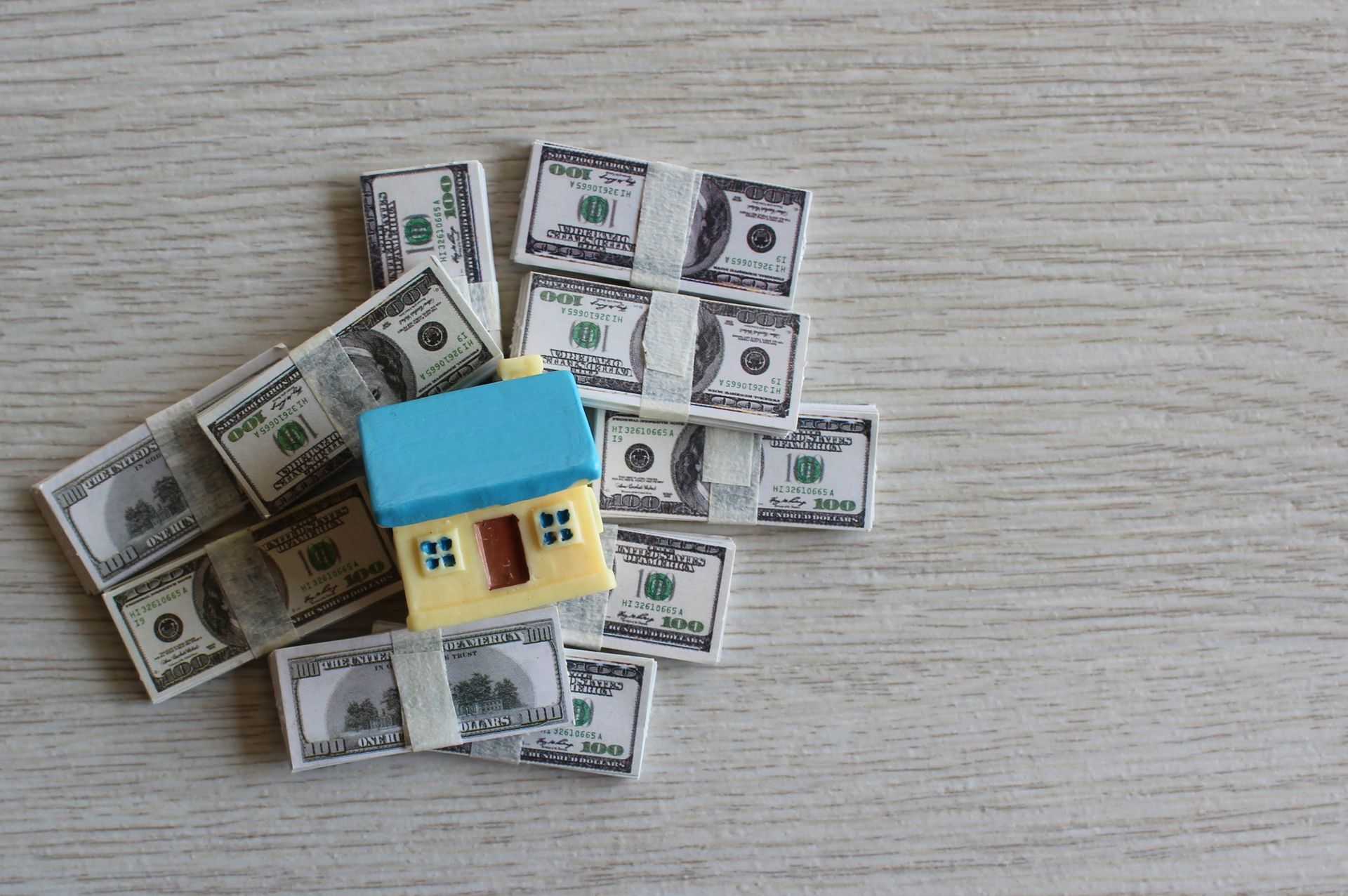
The thrill of buying a new home can sometimes be shadowed by buyer's remorse, especially in these unpredictable times. It's essential to tackle this head-on with strategic steps to transform regret into satisfaction and stability.

Educating yourself about the market, assessing your financial readiness, and realistically evaluating your long-term goals can help mitigate these feelings. By proactively managing your expectations and preparedness, you can better navigate the complexities of home ownership. Brown Home Group shares more:


Become a Market Savvy Buyer


Before you even sign the papers, immerse yourself in the current trends of the real estate market. Understanding the nuances of mortgage rates, different types of loans, and what you’re committing to financially can shield you from unexpected disappointments. Equip yourself with the knowledge to make informed decisions that you won’t regret later.


Establish a Comprehensive Budget


Once you've stepped into the role of a homeowner, it's crucial to handle your finances with acute precision. Lay out a detailed budget that tracks every expense—from utility bills to maintenance costs. Recognizing where your money goes each month will help you identify opportunities to save and prevent any financial overextensions that could lead to regret.


Secure Your Home with a Warranty


Investing in a home warranty is a strategic way to guard against the financial impact of unexpected appliance repairs. It ensures that the costs of fixing major systems, such as your HVAC or refrigerator, don’t disrupt your budget.

Specifically, with a Florida home warranty, choosing a plan that includes coverage for air conditioning and roofing leak repairs is essential, which is vital due to the state’s heavy rainfall. This protective measure can significantly ease potential stress and financial burden from costly repairs.


Simplify Your Debts


Consider the relief that consolidating your debts could bring. By combining multiple debt payments into one, potentially at a lower interest rate, you not only simplify your financial management but also might reduce the overall strain on your budget. This approach can free up resources and lessen the weight of financial obligations tied to homeownership.


Protect Your Investment Legally


Don't overlook the importance of legal support when encountering challenges with your new home. Whether it’s a conflict with the seller or an issue that was undisclosed before the purchase, professional legal advice is crucial. This ensures problems are resolved with your best interests in mind, safeguarding your investment.


Explore Housing Alternatives


If your current home doesn’t meet your financial or lifestyle needs, it's wise to consider alternatives. Whether it’s downsizing to a more affordable space, relocating to a cheaper area, or even opting for shared housing arrangements, flexibility can lead you to more suitable and sustainable living situations.


Exploring different housing options can alleviate financial pressure and enhance your quality of life. Making such a change can also open up new opportunities for community engagement and personal growth, aligning more closely with your long-term aspirations and lifestyle.


Maintain a Positive Outlook


Dealing with homebuyer’s remorse requires not just practical solutions but also a positive mindset. Encourage yourself to stay optimistic and proactive. By focusing on solutions and improvements, you can shift your perspective from regret to one of control and possibility. Embracing this proactive attitude helps in dealing with the challenges head-on and turning them into opportunities for personal and financial growth.


Invest in Strategic Home Enhancements


If you decide that staying put is the best option, then make it count by investing in home improvements. Prioritize renovations that increase both the value and functionality of your home. Not only will these enhancements make your home more enjoyable to live in, but they will also contribute to its long-term market value should you choose to sell in the future.


Final Thoughts


Overcoming homebuyer’s remorse in the post-pandemic world involves a blend of strategic planning, informed decisions, and emotional resilience. By adopting these approaches, you can turn initial regrets into actionable steps that fortify your homeownership experience and ensure your home is a cornerstone of stability and joy in your life.

Focus on long-term goals and remind yourself why you made this significant decision, as this can reinforce your confidence in your choice. Each step toward resolving these concerns not only enhances your comfort but also builds a solid foundation for your future.


Author: David Dixon

By Rick Brown December 2, 2025
Buying a fixer-upper seems like a clever move—cheap price, great potential, maybe a shot at living in a zip code you thought was off-limits. On paper, it feels romantic: grit, tools, a vision, and weekends full of transformation. In reality? It’s a grind. First-timers often underestimate how fast “a few projects” can spiral into structural chaos. And once the walls come down, you can’t unsee the mess. If you're eyeing a house that “just needs a little work,” here’s what you need to figure out before that offer goes in. Evaluating the Neighborhood and Location That perfect price tag means nothing if the neighborhood’s going nowhere . You can replace the plumbing, sure—but not the next-door neighbor with six cars in the yard. Look around. Are homes maintained? Do people walk their dogs here? Is there a weird smell you can’t place? The area carries your resale, your insurance, even your peace of mind. A great house in the wrong pocket is like dressing up for a party that doesn’t exist. Conducting a Thorough Property Inspection That retro tile might be hiding water damage. That "character" might be code for structural rot. A true inspection isn’t just a formality— it’s your reality check . Bring someone with no emotional investment and an eye for bad news. Better yet, get a contractor in early to ballpark costs. Because if the foundation’s shifting or there’s mold tucked behind those charming built-ins? You’ll want out before you're locked in. Planning for Financing and Total Costs You’re not just buying a house—you’re buying a renovation timeline, a tool habit, and a parade of invoices. Loans that roll repairs into the mortgage can save you from cash chaos. But even with financing? Add padding. Always. Something will break, someone will ghost, a wall will reveal an ancient plumbing sin. Treat your first estimate like a rough sketch, not gospel. And never assume you’ll stay on schedule. You won’t. Addressing Structural and Safety Systems Before you touch a single finish, make sure the house is sound. Roof, plumbing, electrical, HVAC—those boring systems matter more than whatever backsplash you’ve been eyeing. It’s not sexy, but it’s safety. If it’s leaking, shocking, or freezing you out, it's a priority. Cosmetic upgrades can wait. And if you have to choose between "looks good" and "won’t burn down"? Choose the latter. Every. Time. Making Essential Electrical Upgrades Old houses and electricity are a risky pair. Before you get clever with lighting or appliances, have a licensed electrician look at the entire system—panels, outlets, wiring. Plenty of older homes can’t handle modern loads, and that’s not just an inconvenience, it’s a fire risk. Start with top‑quality parts from trusted brands—explore these sources for electrical supply needs . Shoddy electrical work comes back to bite—usually when it’s too late to fix cheap. Identifying Common Fixer-Upper Repairs Certain repairs show up like clockwork. Roof leaks? Count on it. Drainage issues? Common. Old galvanized pipes, drafty windows, termite damage, dodgy subfloors— these are classic fixer-upper problems . And they aren’t always visible at first glance. Start with what's dangerous or actively decaying. Then handle what snowballs into bigger issues later. Cosmetic stuff can come last—or never. There’s no award for “prettiest unfinished project.” There’s pride in buying a home that needs you. But don’t romanticize the mess. Renovating takes grit, time, and more backup plans than you think you’ll need. Your fixer-upper might become your dream home—but only if you stay clear-eyed, ask hard questions, and know when to slow down. Don’t let charm blind you to cost. And don’t try to do it all alone. Buy the project you’re actually ready for, not the one you wish you were. Discover the key to your real estate dreams with Brown Home Group , where our dedicated team of experienced realtors goes above and beyond to ensure you buy or sell with confidence in Central Florida.
By Rick Brown November 17, 2025
You’ve moved out. The house is empty. And every day it sits unsold, it costs you—emotionally and financially. Selling a vacant property comes with a unique set of risks and responsibilities. But with the right strategy, you can attract serious buyers, manage expenses smartly, and close the deal from wherever you are. These seven sections walk you through the most critical moves to make now. Keep Costs Predictable, Even From Afar The moment your home is vacant, you're still on the hook for utilities, insurance, taxes, and upkeep—but without the daily visibility you once had. Before problems escalate, get ahead of your spending. Create a budget that includes real estate commission, home prep, staging, and potential concessions. You don’t want surprise expenses hitting at closing. Knowing what home‑selling fees to expect lets you estimate your break-even point and time your price adjustments with confidence. Maintain a “Lived-In” Look Without Living There Empty homes feel cold. Worse, they signal neglect to buyers. If you’ve already left, set up systems that keep the home visually appealing. Schedule weekly landscaping. Arrange for packages and flyers to be removed from the porch. And invest in basic curb appeal—new mulch, trimmed bushes, fresh doormat. These curb appeal tips for a vacant property give your place a lived-in energy, even if no one’s been there for weeks. Make It Easy for Buyers to Emotionally Connect An empty house forces buyers to use their imagination. And not all of them are good at it. Visual staging fills that gap. Focus on key areas: living room, primary bedroom, dining space. Add just enough furniture to give a sense of scale and flow. And make sure your agent is using digital walk-throughs, interactive floor plans, and smart scheduling tools to guide remote buyers. These vacant home staging essentials create warmth and orientation without requiring you to restage the entire property. Shrink Monthly Carrying Costs Without Cutting Corners Don’t let a vacant home drain your wallet. The big four to watch are utilities, insurance, cleaning, and lawn care. Start by talking to your utility companies —you may qualify for an “inactive-but-maintained” rate. Some home insurance carriers offer vacancy policies that cost less but still meet requirements. And there’s no shame in automating small stuff. Stage Strategically—Not Expensively You don’t need a warehouse of designer furniture to make your house feel like home. A few well-placed items—lamps, neutral art, entryway rug, a small bistro table in the kitchen—can create a “this could be us” vibe. Many homeowners go the DIY route: inflatable beds for bedrooms, baskets for towels, mirrors for light. Don’t overdo it. Your goal isn’t HGTV— it's comfort and clarity . Offer Peace of Mind With Protection Plans When you’re not around to address buyer concerns in person, the smallest unknowns can feel like big risks. One way to calm nerves is by working with your real estate agent to offer a home warranty or listing-period protection plan. These policies can ease inspection-related fears, especially in vacant homes where buyers can’t easily ask, “What’s that noise?” or “Was that just fixed?” By covering certain systems or appliances, you reduce the chances of last-minute negotiations over minor issues. To see how these plans can add buyer confidence, check this out . Close the Sale From Anywhere (Without Drama) You no longer need to be in town—or even in the same time zone—to close on your home. Remote closings, mobile notaries, and e-signatures are all standard now. Just make sure your title company and agent know you’re remote from the start. You’ll also want to confirm how funds are disbursed and whether there’s anything you need to sign in person. This explainer on the remote closing process for sellers lays out the exact steps and timelines so you’re not scrambling when the deal goes live.  Selling a vacant home doesn’t need to feel like a logistical headache. With the right setup—clear communication, practical staging, remote closing support—you can keep momentum high and hold costs low. And when buyers walk in, they’ll feel like someone just stepped out to grab coffee—not like they’re the first ones back in after a long time. That’s the kind of energy that sells homes quickly—and cleanly—from a distance.
October 28, 2025
There’s this moment before the demolition starts—before the hammer swings, before the contractor texts you “running late”—where it all feels possible. You’ve got your Pinterest board, maybe a sketch on a napkin, some color swatches you’re already half-committed to. And then, pretty quick, it turns into noise. Timelines slip. Dust finds its way into your underwear drawer. People stop showing up when they said they would. And suddenly you’re Googling “is it normal to cry during a remodel.” So here’s the deal. This isn’t a blueprint. It’s a gut-check. Planning Isn’t Optional Winging it will eat your lunch. If you’re thinking “we’ll just figure it out as we go,” go ahead and budget double. You’ve got to define your renovation scope before you do anything. Write it down; get specific. What’s staying. What’s getting ripped out. Where can you flex if costs balloon. People will ask “what’s the plan?” and you’ll think you have one, but unless it’s down on paper? You don’t. This isn’t HGTV. This is your house. Clarity protects you. Don’t Hire the Vibe — Hire the Plan The smooth-talking guy might not show up after deposit day. You need receipts, not vibes. When you’re talking to contractors, don’t get hypnotized by jargon or charisma. Push for structure. Get everything in writing. Start date, payment schedule, who’s responsible for hauling out the mess — all of it. If they squirm, that’s your cue. Be direct. Ask for clear contractor commitments and make sure they don’t treat it like a weird request. It’s not personal. It’s your sanity on the line. Your Docs Will Get Out of Hand. Tame Them. Permits. Receipts. Contracts. Mood boards. Estimates. You’ll think, “Oh, I’ll remember where that is.” You won’t. They’ll be in six different inboxes and three cloud folders. And right when you need that signed plumbing quote, it’ll be buried under something labeled “Final FINAL v3.” Merge your PDFs. All of them. Stick ‘em in one place. Bookmark it. Reference it. It’ll save you mid-panic. If you need a no-hassle way to do that, just take a look and pull your renovation paperwork together before it unravels. Your Budget is Lying to You Whatever your estimate is, add 20%. Just do it. Even if everything feels locked. Even if your spreadsheet color codes make you feel safe. You will discover something behind a wall or under a floor that makes your electrician say “uhh, we’ve got a problem.” And then you’ll either panic or pull from the padding you had the foresight to set aside. The smart move is to budget with a contingency buffer . It’s much better to have leftover money than an unfinished bathroom and maxed card. Your House Will Not Be Livable. Accept That Now. There’s no such thing as a dust-free renovation. It will get in your socks. It will float into your cereal. Your door might be off the hinges for days. Water might be shut off. One night you’ll try to find your toothbrush and discover it under a tarp next to a pile of grout. Even if your contractor promises otherwise, lead times can extend project delays and suddenly you’re eating takeout on an upside-down laundry basket. Make peace with chaos early. It’s coming, either way. The Curveballs Hit Hardest When You’re Tired You’ll make your worst decisions on day 32 when you're over it and just want it to end. That’s when you say yes to the wrong tile or skip a final inspection. Don’t. Force yourself to stay sharp when everything’s blurry. Renovations don’t fall apart all at once — they drift. You skip a walkthrough. You ignore a bad gut feeling. You rush because you’re done emotionally. Don’t do that. Prepare for what most homeowners miss entirely : the fatigue. It’s the invisible enemy, and it wrecks more projects than bad tile ever could. It’s Not Done When It’s “Done” The crew might pack up. The floors might look shiny. But you’re not out of the woods yet. There will be fixes, touch-ups, little weird quirks you don’t notice until week two. Make a punch list. Schedule a walkthrough. Don’t ghost the finish. That last 5%? It’s everything. Set yourself up to follow a simple renovation checklist that keeps you honest when all you want to do is collapse on your new couch and pretend it’s over. Finish strong. Or live with regrets. Renovating your home will test you. You will second-guess your choices. You’ll hate paint colors you once loved. You’ll wonder if the crew is ever coming back. And then, weirdly, one day — it’ll be done. The house will be quieter. The walls smoother. You’ll notice you stop holding your breath when you walk into the kitchen. That’s when it hits you. It was never just about the tile or the lights. It was about holding the line when everything wanted to slide. And you did.
August 6, 2025
JUNETEENTH HISTORY: Juneteenth commemorates the June 19, 1866, announcement in Texas that enslaved people there were finally free, marking the end of slavery in the United States. It is celebrated to remember the news of the Emancipation Proclamation reaching Texas over two years after it was initially issued. Initially celebrated with prayer meetings and spirituals, it has evolved into a nationwide celebration, recognized as a federal holiday
August 6, 2025
As we approach Independence Day, we’re filled with gratitude—for freedom, for community, and for the place we all call home. 🏡✨ This season reminds us of the importance of unity, resilience, and celebrating life’s meaningful moments with the ones we love. Whether you're lighting up the sky with fireworks, sharing a meal with neighbors, or simply relaxing under the summer sun, we hope your Fourth is filled with joy, laughter, and unforgettable memories. From our family to yours, Happy Independence Day! Here's to the red, white, and blue—and to finding your perfect place to call home. ❤️🤍💙 With warmest wishes, – The Brown Home Group
By Rick Brown July 30, 2025
What's Hot in Florida Law
By Rick Brown June 18, 2025
Summer Laws & Legal Tips New Rules, Real Risks, and Updates Every Florida Business & Homeowner Should Know!
More Posts